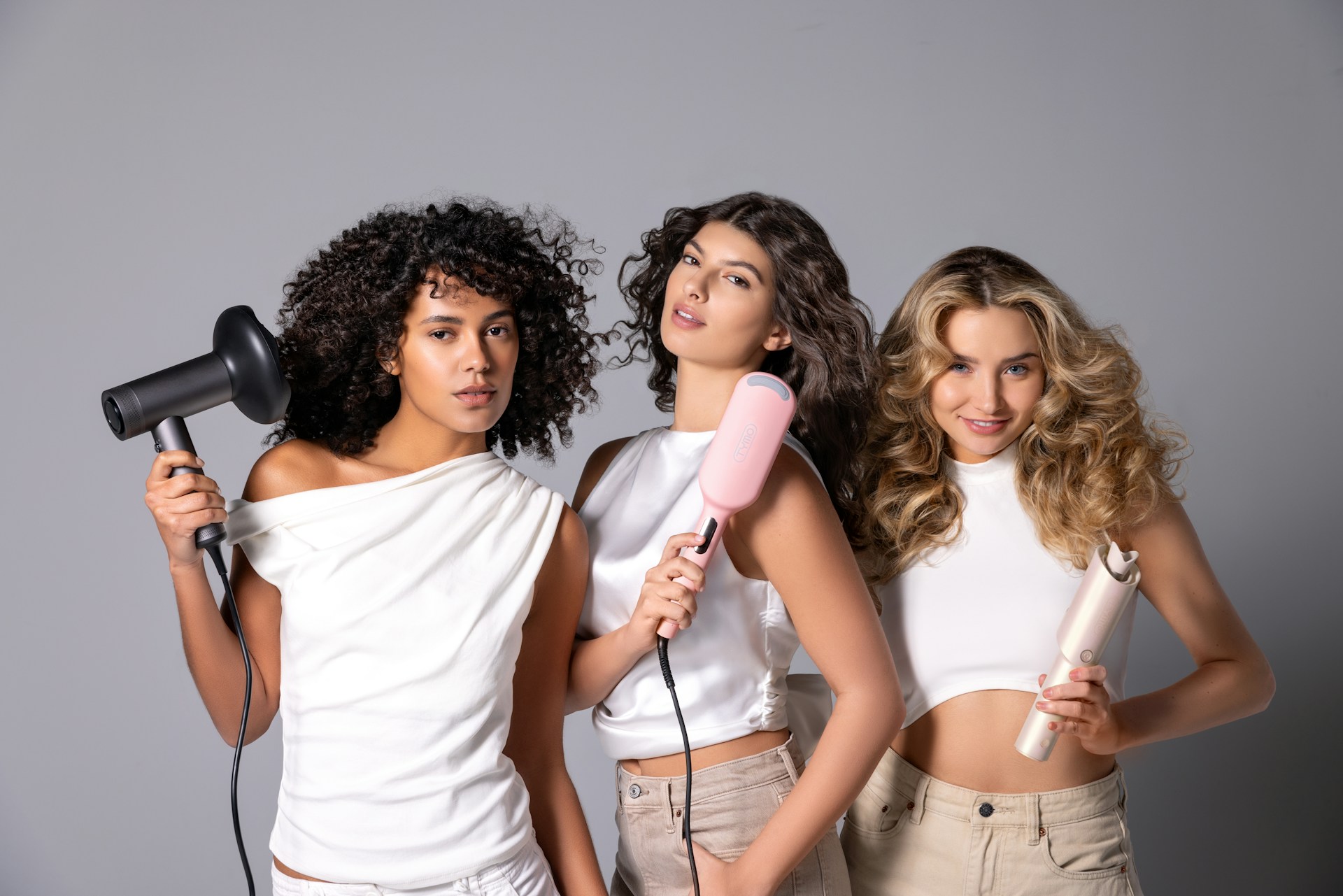
The beauty industry is currently witnessing a quiet but significant shift. For seasons, the “Clean Girl” aesthetic—characterized by flawless skin and an almost weightless glow—has dominated social media feeds and editorial spreads. But as we look toward the trends defining the Fall/Winter 2025/26 runways, such as those from Gabriela Hearst and Rokh, that polished perfection is evolving into something more nostalgic. We are seeing a pivot toward a 90s-inspired nude makeup look that prioritizes style through understated elegance. However, embracing this stripped-back, natural aesthetic requires a solid foundation, which brings a harsh reality into focus: while our makeup is getting simpler, our hair is often still recovering from years of heavy heat styling.
The Evolution of 90s Minimalism
The essence of the current beauty trend is a nostalgic nod to the 1990s, a decade that oscillated between quiet minimalism and bold statements. Unlike the trends of recent years that demanded high-maintenance perfection, this modern interpretation is about intuition rather than construction. It is less about staging a look and more about effortless naturalism.
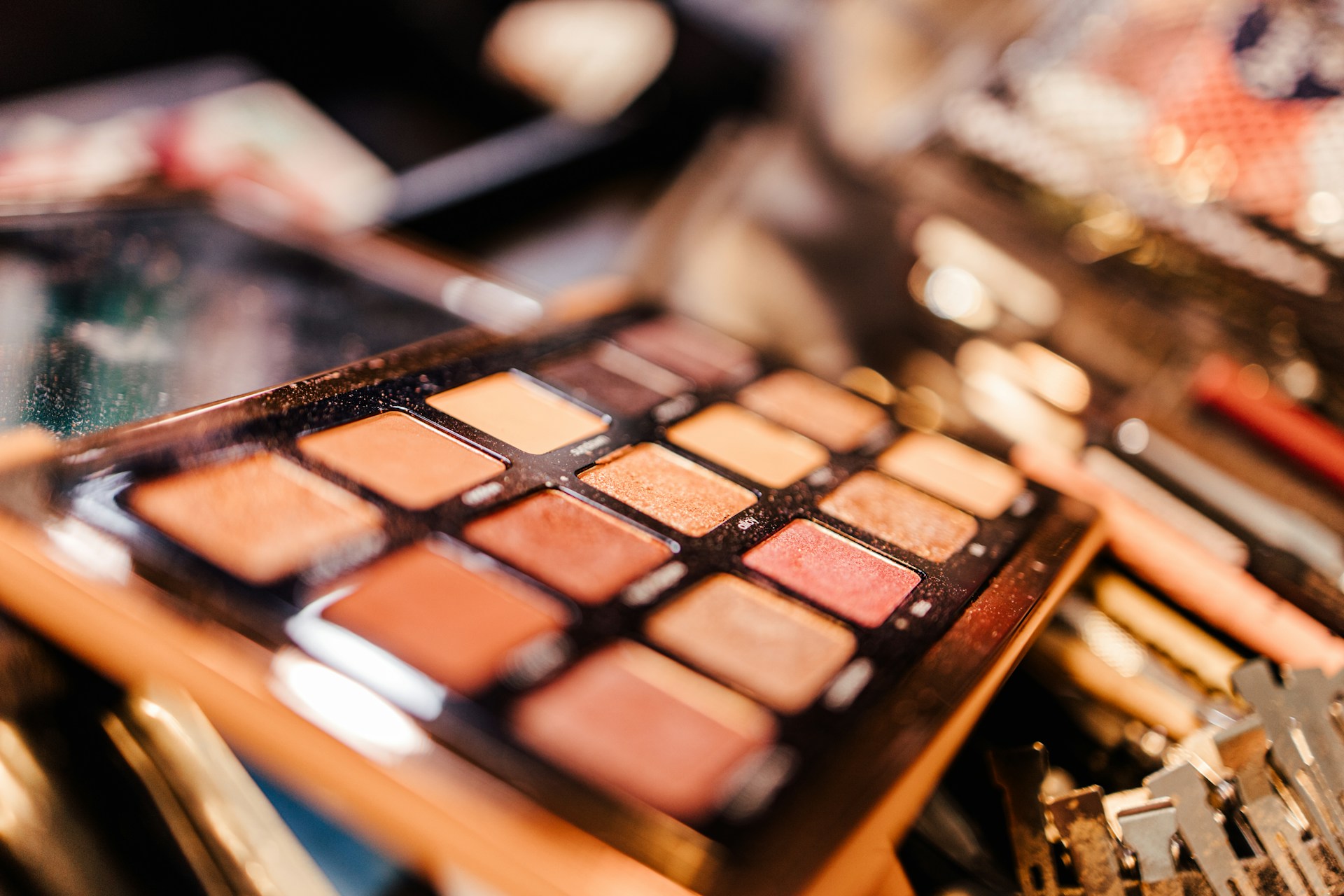
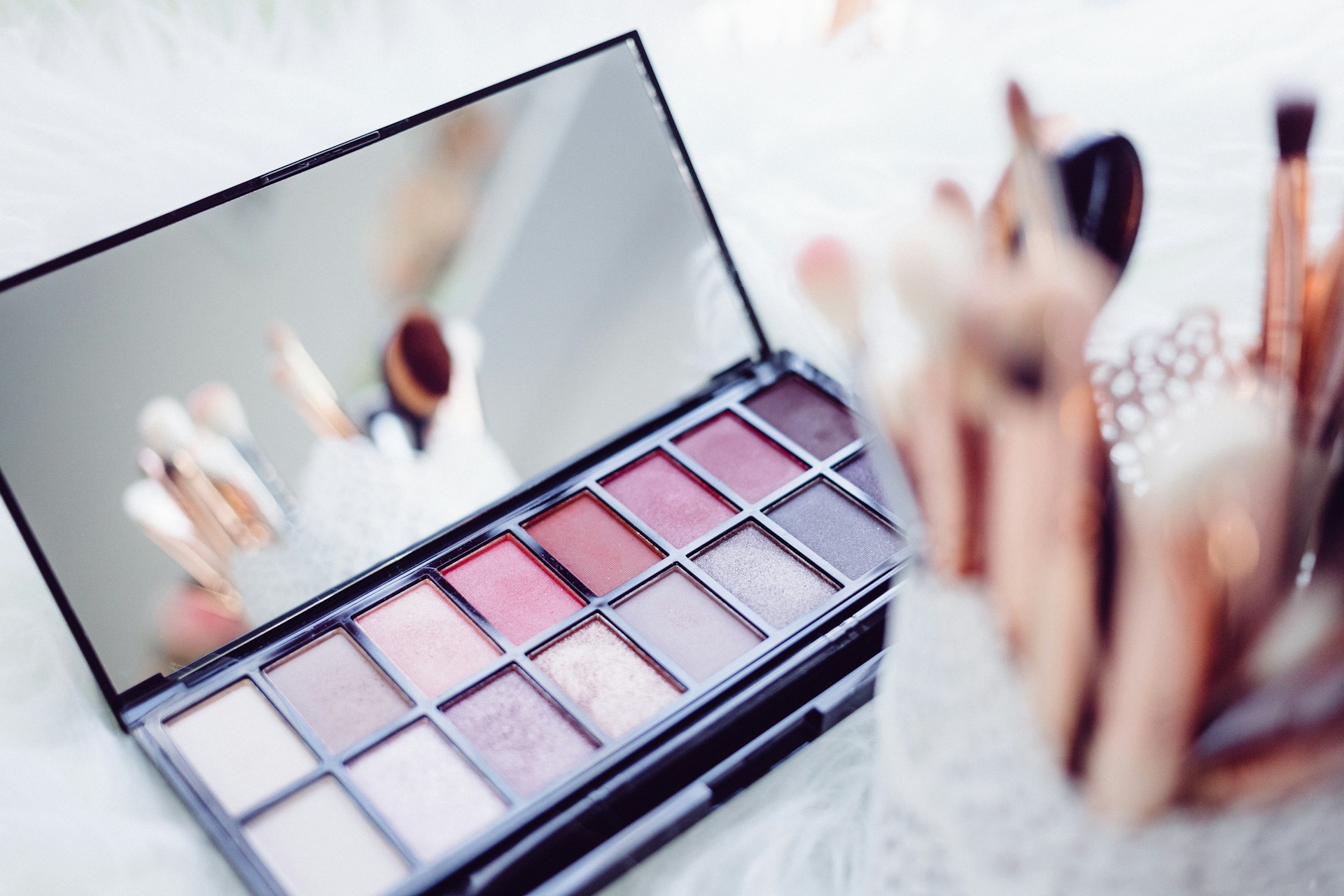
On the runways, this translates to soft nude tones on the eyes, lips paired tone-on-tone or matching the natural skin color, and a touch of bronzer to define the face without making it look heavily modeled. The complexion remains transparent and lively, favoring a natural radiance over a heavy, matte finish. Mascara is often optional, eyebrows are left natural, and lip gloss serves merely as a subtle light reflex rather than a statement.
Crucially, this isn’t a carbon copy of the actual 1990s. While that era often featured cool-toned bronzers, dark lipliners, and heavy smokey eyes, today’s version is significantly softer. Contours are blurred, transitions are fluid, and colors remain close to the wearer’s own skin tone. It is a timeless, uncomplicated look that works as well with minimalist fashion as it does with strong silhouettes. For a cohesive vibe, you can even use your bronzer on your eyelids—a hack that creates immediate harmony.
The Fallout of High-Heat Styling
As the makeup trends shift toward a “less is more” philosophy, many are finding that their hair isn’t quite ready to be revealed in its natural state. If you are someone who typically relies on weekly blowouts or an arsenal of hot tools, you might be dealing with the aftermath of heat damage. Fried, frizzy strands are difficult to manage, and while preventative health is ideal, often we are left trying to treat the hair after the damage is already done.
According to Tylor Johnson, founder of Nous Haircare, the texture of your hair is the primary indicator of trouble. If strands feel rough and the ends look frail or are snapping off, you are likely suffering from heat damage. Ashanti Lation, a healthy hair expert, points out that damaged texture often exhibits increased dryness, brittleness, and a straw-like feel. For those with textured hair, the natural curl pattern can be disrupted, leading to limp or uneven coils.
Certain hair types face higher risks. Lation notes that fine hair is particularly vulnerable due to a lack of structural strength compared to thicker strands. Furthermore, chemical treatments like bleaching or coloring strip moisture, making the hair more susceptible to burning. Johnson also observes that people with curly or wavy textures often experience more damage simply because they tend to heat style more frequently than those with naturally straight hair.
Steps Toward Recovery
Fixing heat-damaged hair isn’t an overnight process, but changing your habits is the first step. The consensus among professionals is clear: stop frying your hair. Johnson recommends letting hair air-dry as much as possible before introducing a blow dryer to minimize heat exposure. Lation explicitly cautions against using tools on wet hair and advises avoiding high temperatures, which significantly increase the risk of breakage.
To actively rehabilitate damaged strands, celebrity hairstylist Ericka Verrett suggests a “holy trinity” for your daily routine: a heat protectant, a leave-in conditioner, and a hair oil. “Fine hair would do well with a dry oil so it won’t weigh hair down,” she says, noting that coarse or curly hair benefits greatly from the extra moisture of a heavy leave-in conditioner.
Top-Tier Repair Solutions
For those ready to invest in repair, experts and editors have identified several standout products. The K18 Leave-In Molecular Repair Hair Mask is a top contender, promising to reverse damage in just four minutes by reconnecting polypeptide chains to strengthen hair over time. Similarly, Olaplex No. 3 Hair Perfector remains a staple; known for its bond-building technology, it is a rinse-out treatment that Lation notes helps repair and strengthen, making hair significantly more manageable.
For deep conditioning, the Briogeo Don’t Despair, Repair Deep Conditioning Mask is packed with nourishing ingredients to hydrate and restore. If you are looking for an intense moisture surge, Harry Josh, the founder of Harry Josh Pro Tools, points to the Kerasilk Recovery Mask. He describes it as a great at-home solution for “thirsty, stressed” hair, utilizing oils to repair structure while moisturizing.
Finally, for a comprehensive approach, Verrett highlights the SpoiledChild M26 Damage Reverser. This mask features keratin, collagen, argan oil, and avocado oil—ingredients specifically chosen to repair breakage and restore cuticle strength. By integrating these treatments and embracing the low-maintenance philosophy of the new 90s aesthetic, you can align your hair health with your makeup routine, achieving a look that is truly effortless from head to toe.